ALIVE AT THE END OF THE WORLD
September 10–October 17, 2026
Hannah Beerman
Coralys Carter
Avram Finkelstein
Christopher Gambino
Peter Hujar
Heather Lynn Johnson
Marlene McCarty
Daniel Rampulla
Thew Smoak
Jimmy Wright
CULTURED MAGAZINE REVIEW
Southwest Contemporary Article
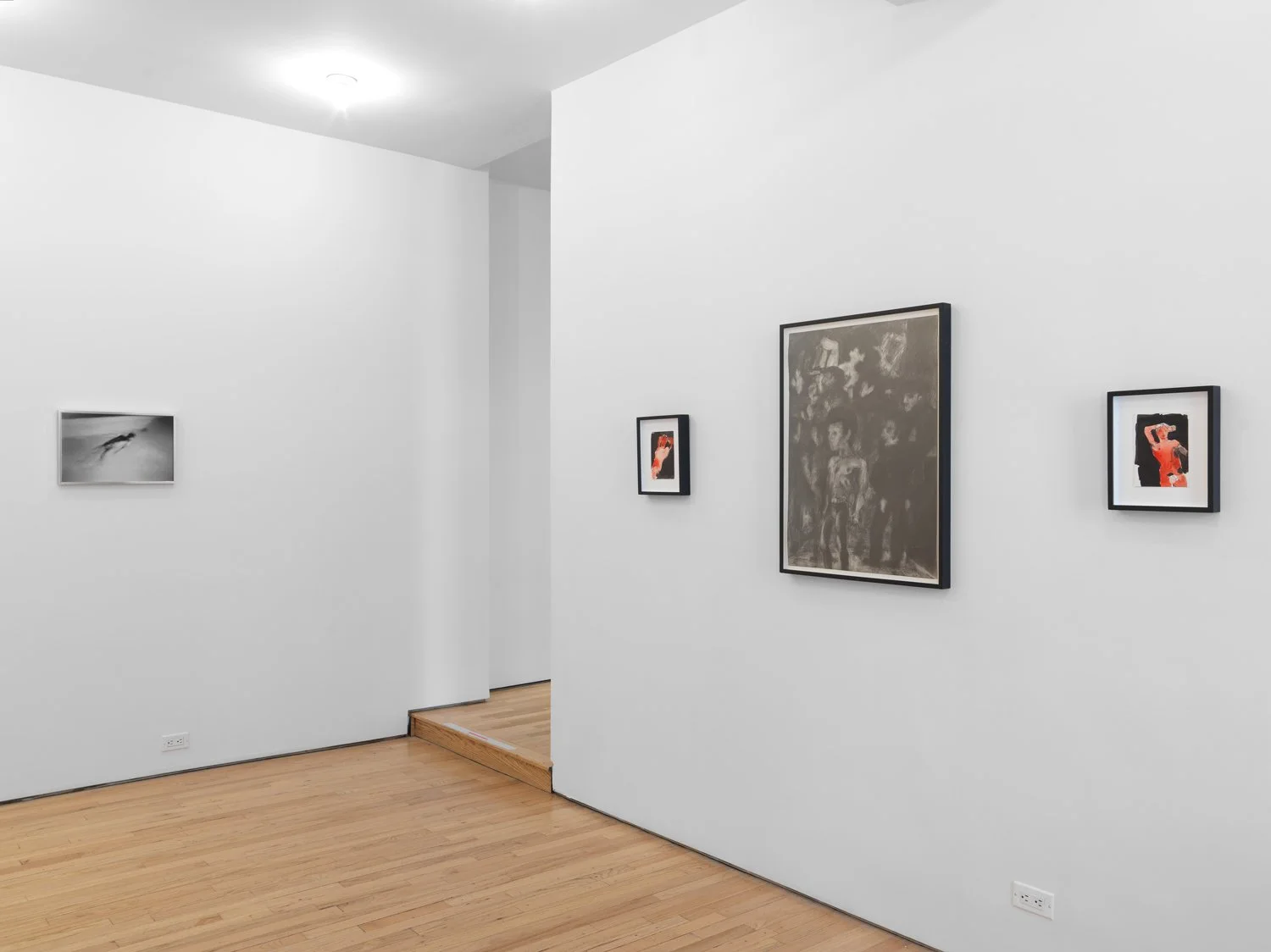
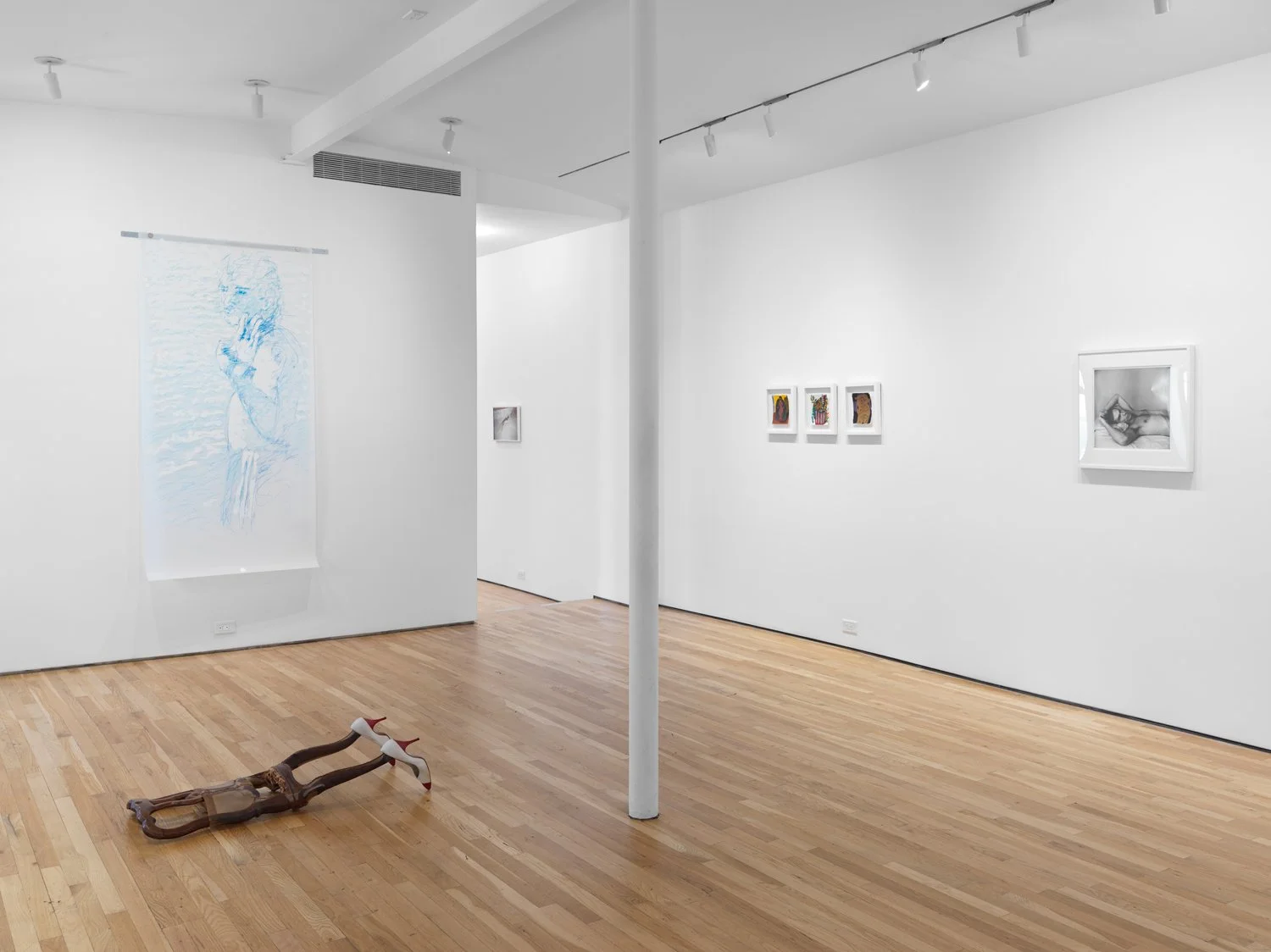
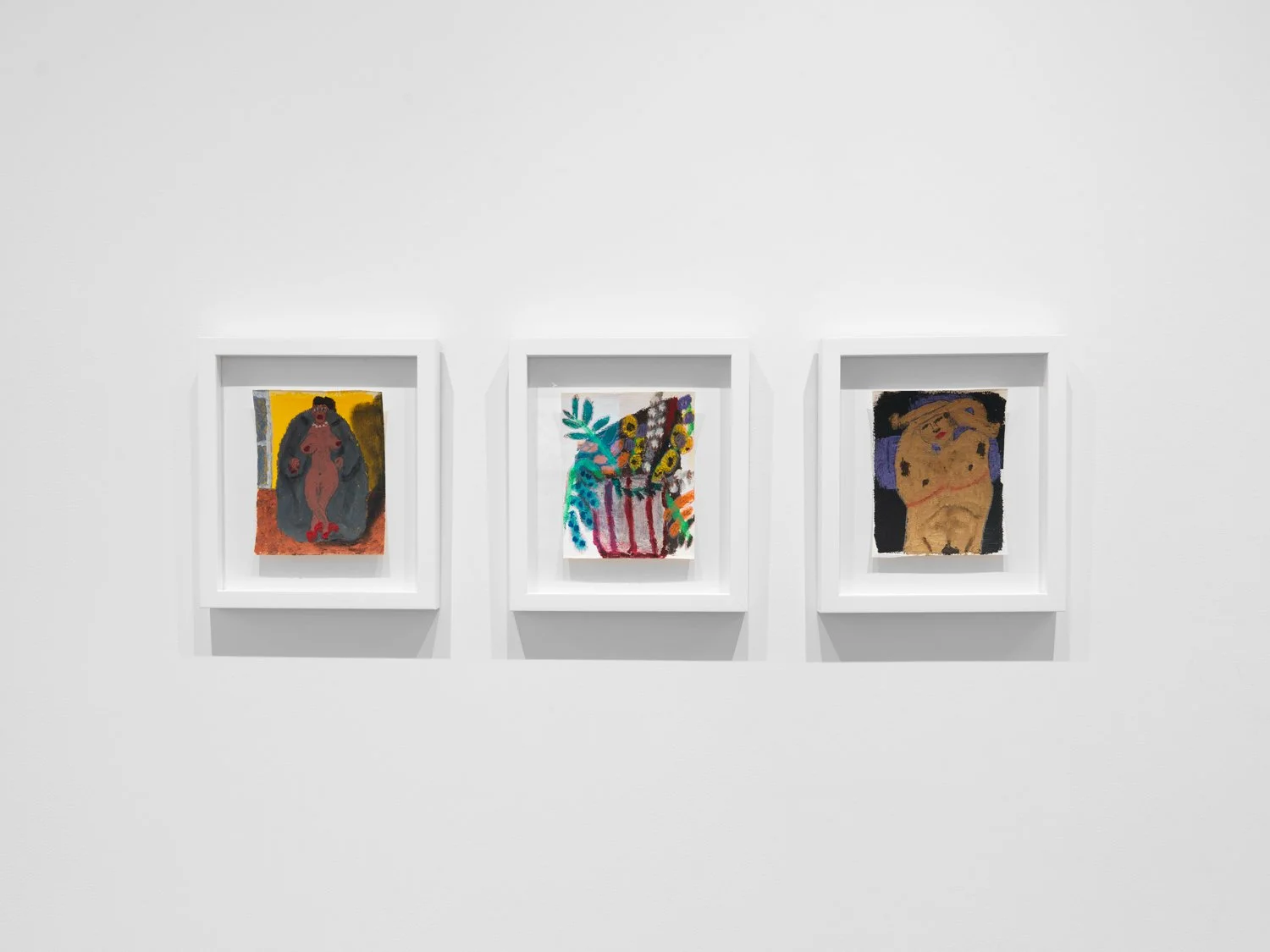
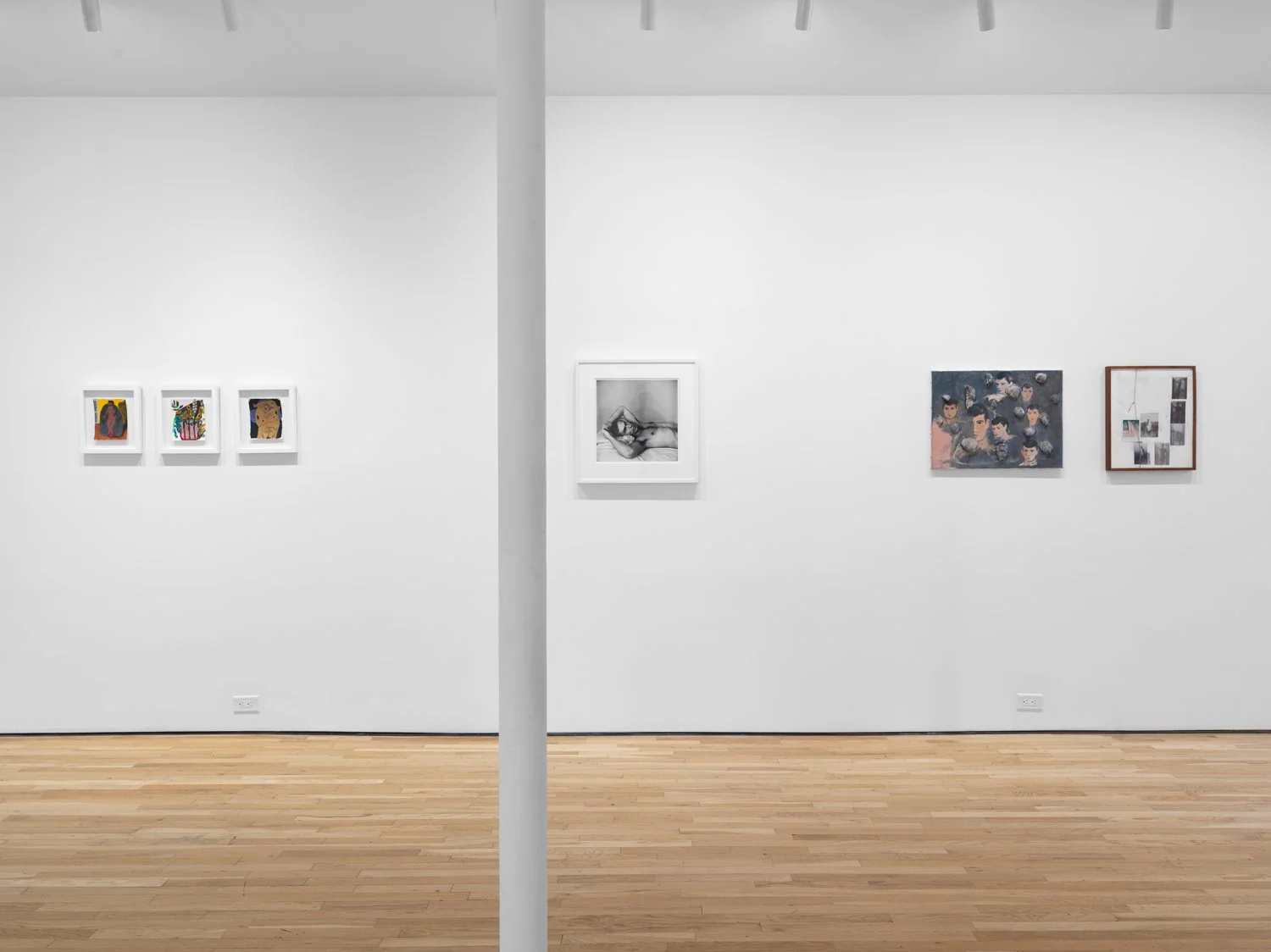
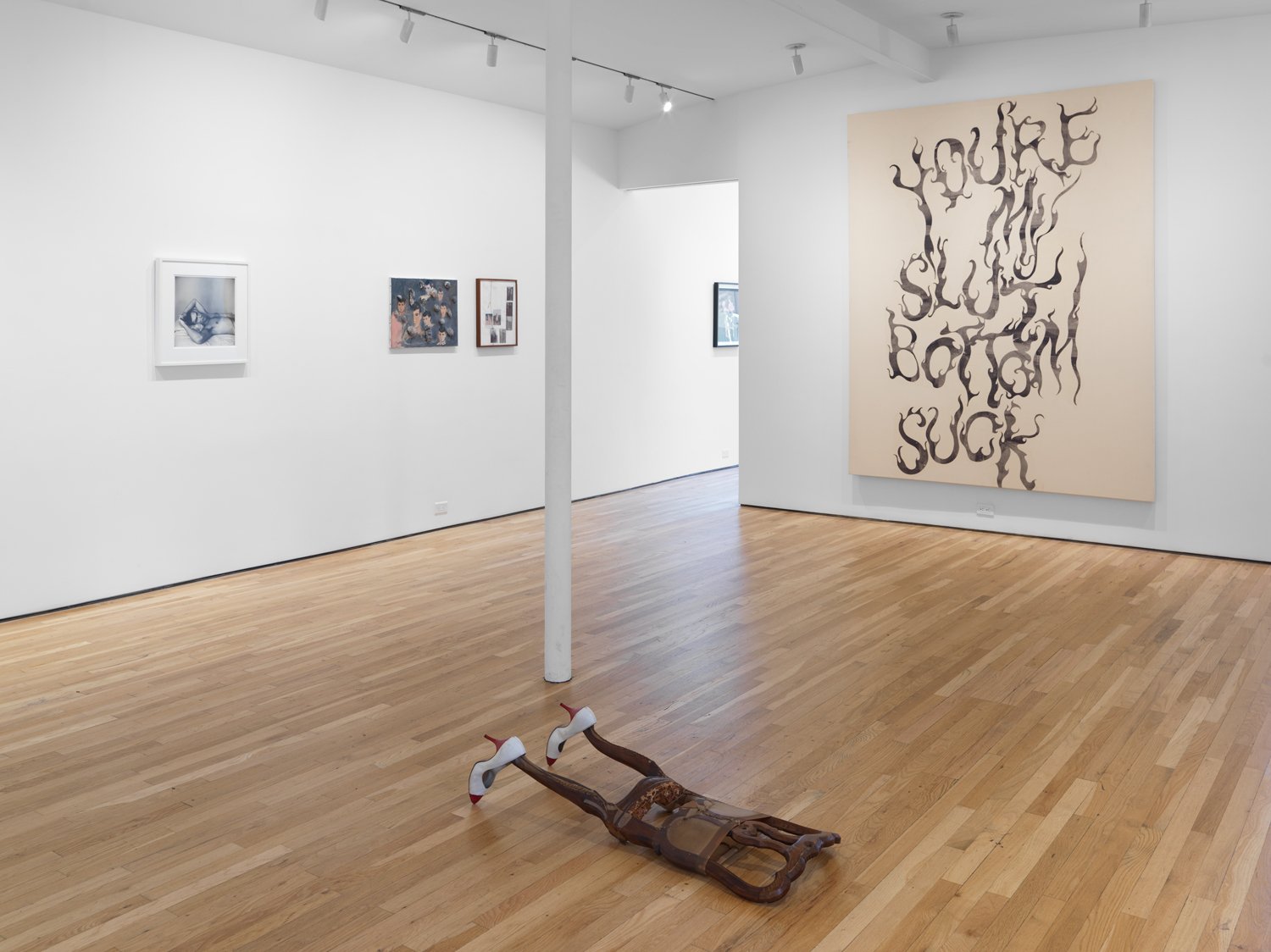
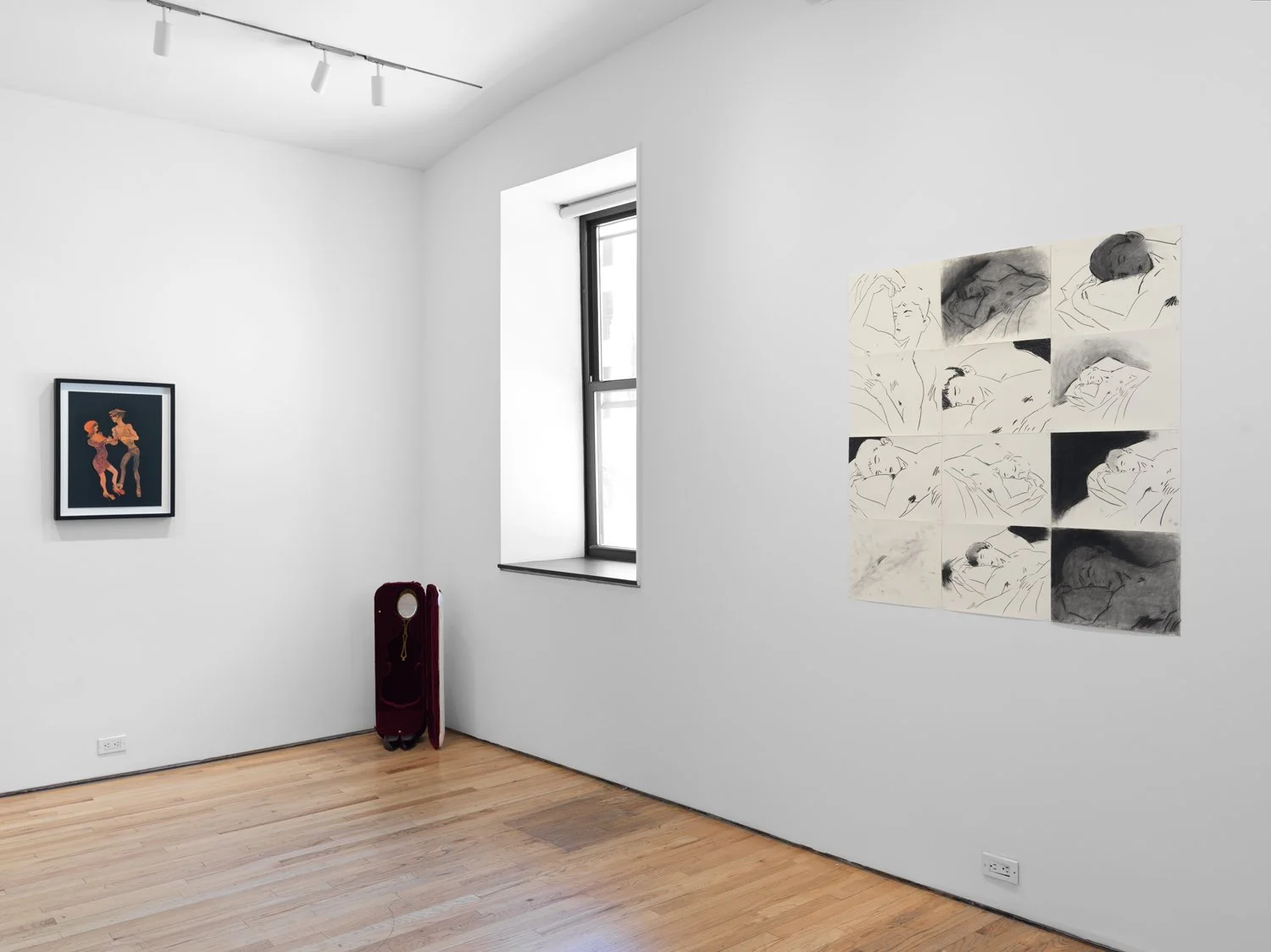
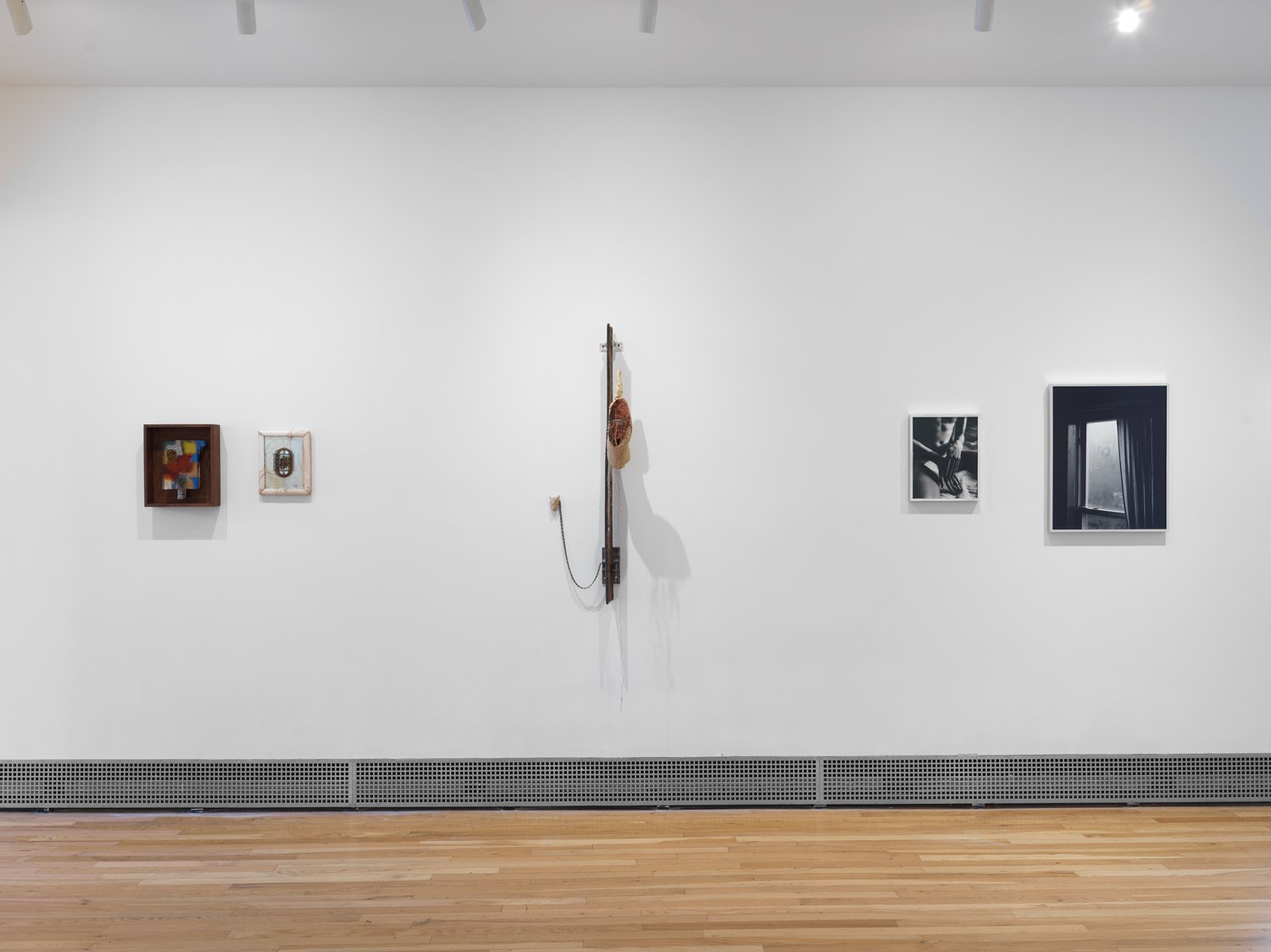
For its inaugural exhibition, STOREY GALLERY is ecstatic to present ALIVE AT THE END OF THE WORLD. Bringing together artists across generations and disciplines, the exhibition traces survival amidst fragility, rupture, and collective grief—and the ways artists continue to make, gather, and desire in their wake. Taking its title from a Saeed Jones poem, ALIVE AT THE END OF THE WORLD considers ruin not as a distant horizon but as a condition of the present: something lived through collectively and intimately, held against the stubborn fact of remaining alive. Spanning more than five decades, with works made between 1975 and 2026, the exhibition brings historical works into conversation with contemporary practices shaped by memory, intimacy, embodiment, loss, and survival. Across more than fifty years of cultural and political rupture in America, the artists in the exhibition turn toward the body and its traces.
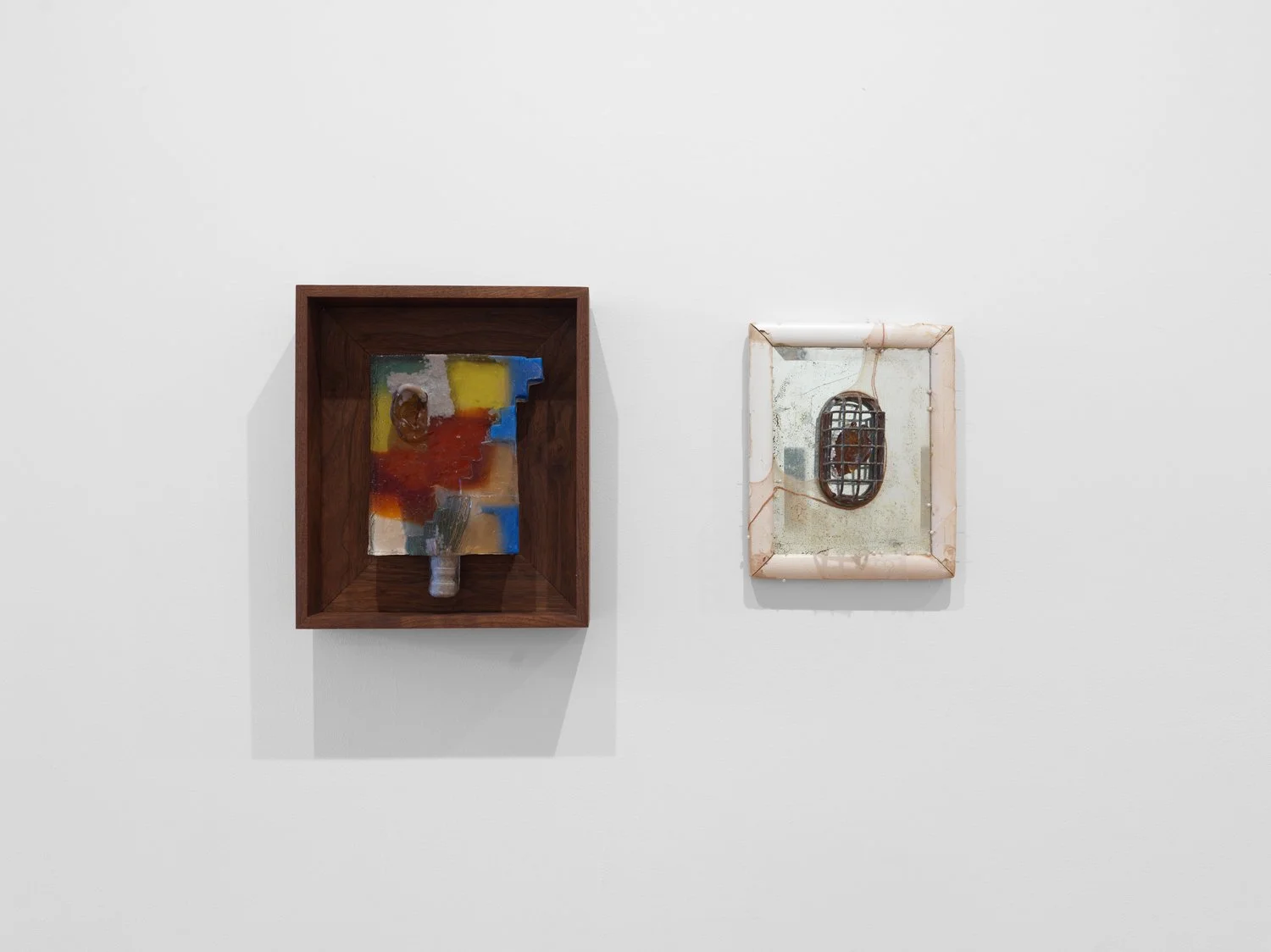
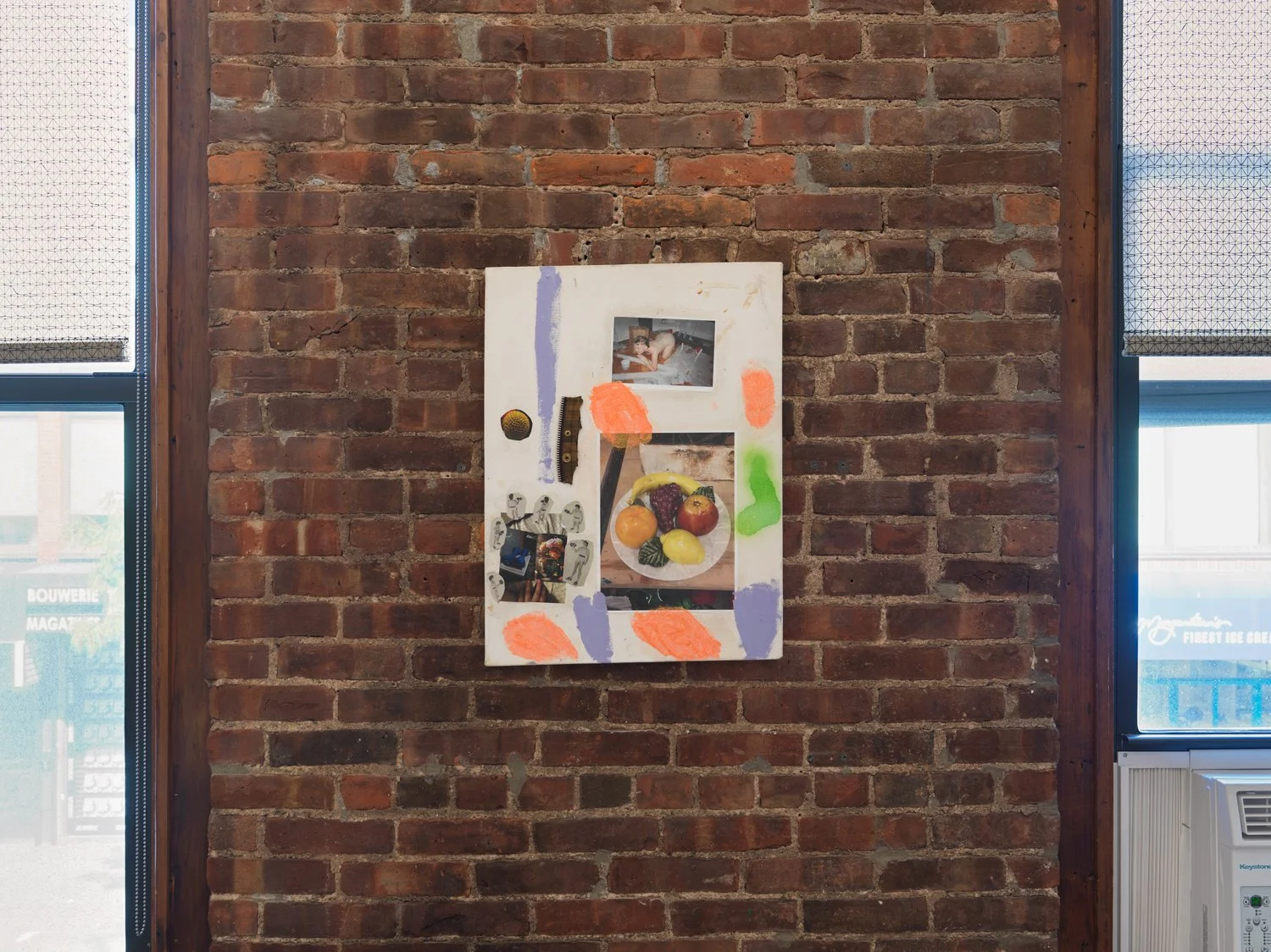
HANNAH BEERMAN’S exuberant paintings emerge from an accumulative process of collecting, experimenting, and living with materials. Assemblage and collage collapse into painting, producing works that are at once systems and gorgeous messes—bright propositions animated by curiosity, humor, and discovery through making.
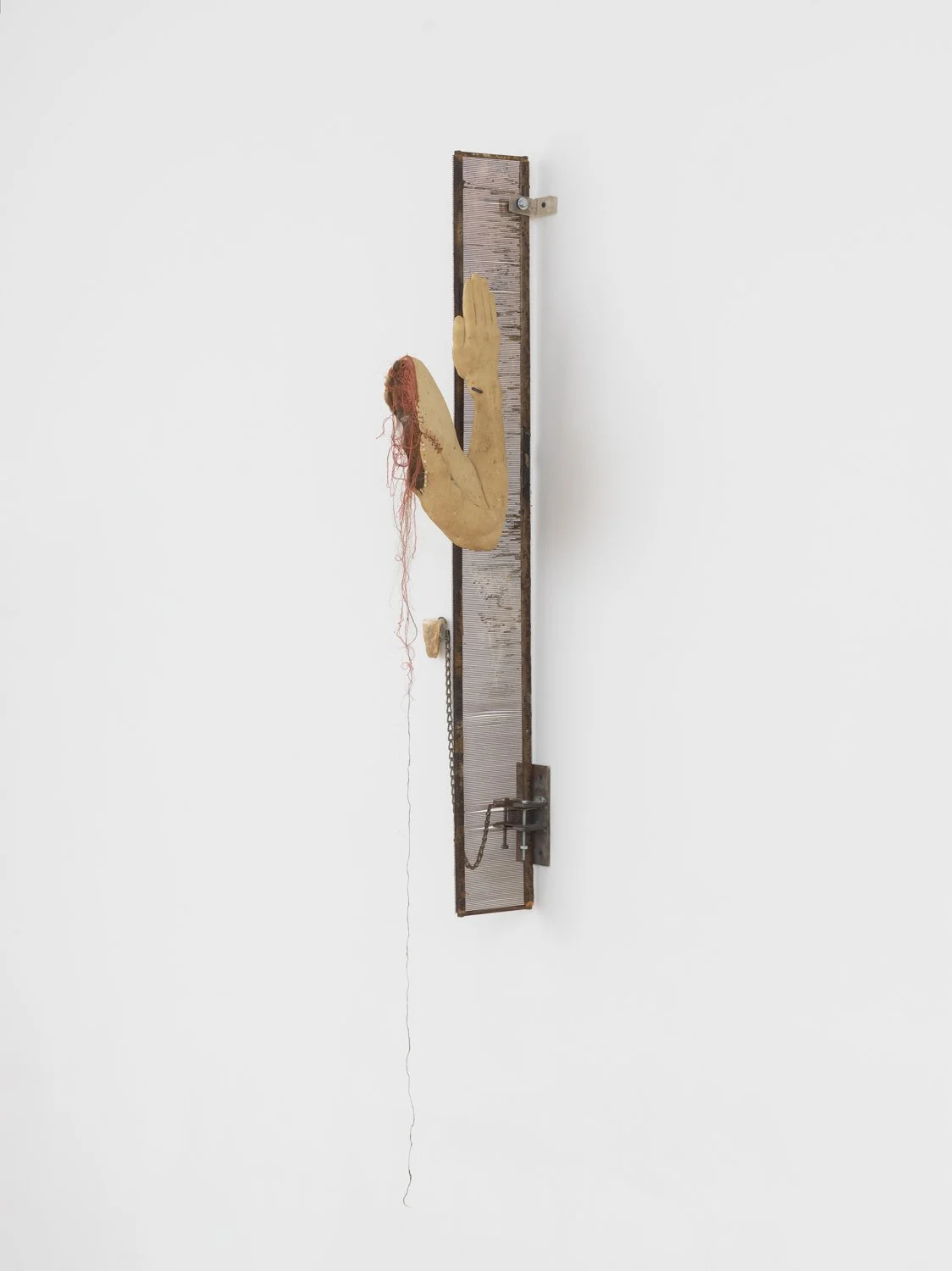
The emotional lives of materials come forward in the work of CORALYS CARTER, who uses sculpture, casting, and textiles to give memory physical form. Plaster, wood, glass, bronze, and casts of her own body—arm, ears, tongue—move between the domestic, the bodily, and the remembered. Memory is continually refashioned, the past made present through the body.
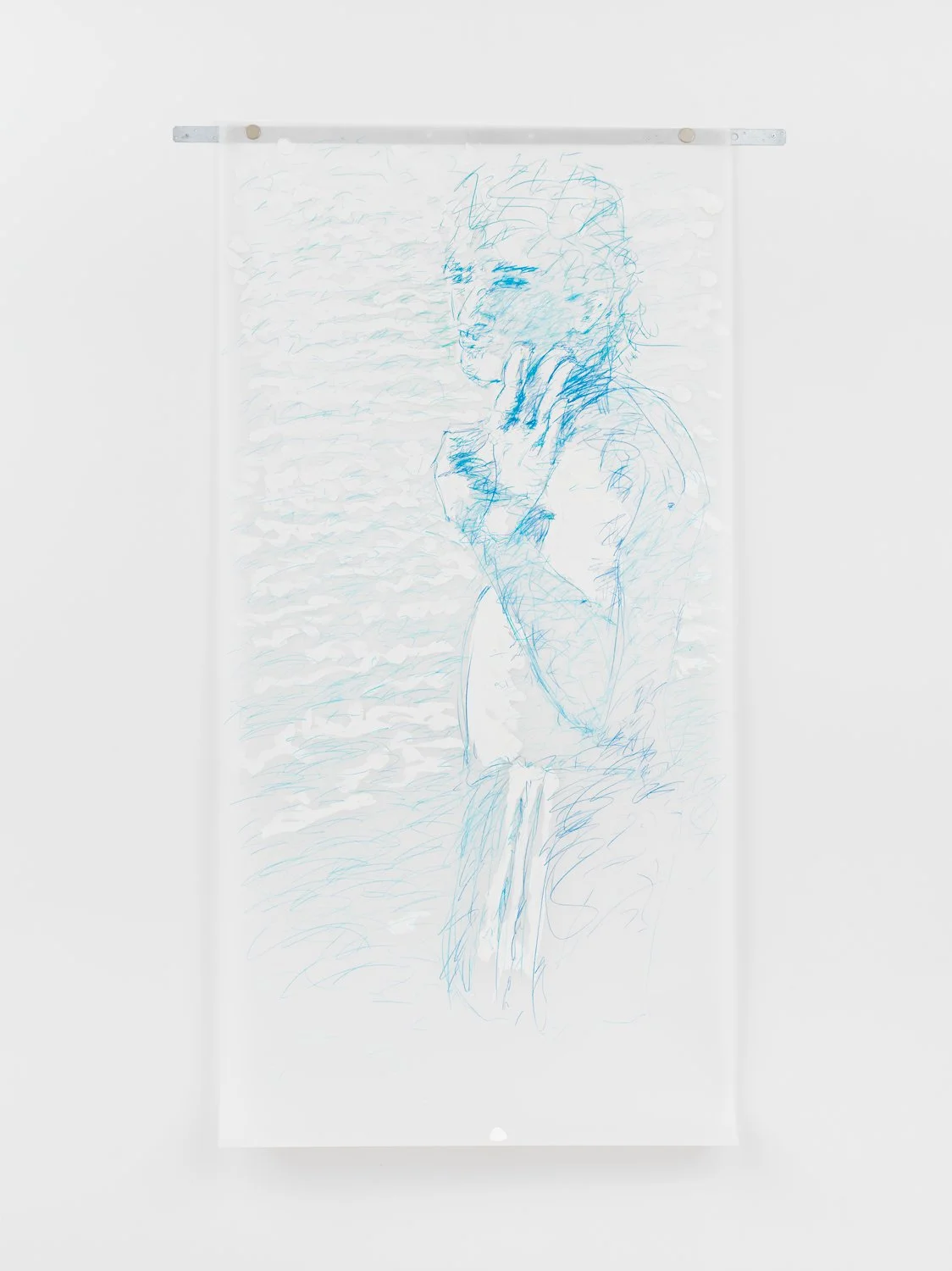
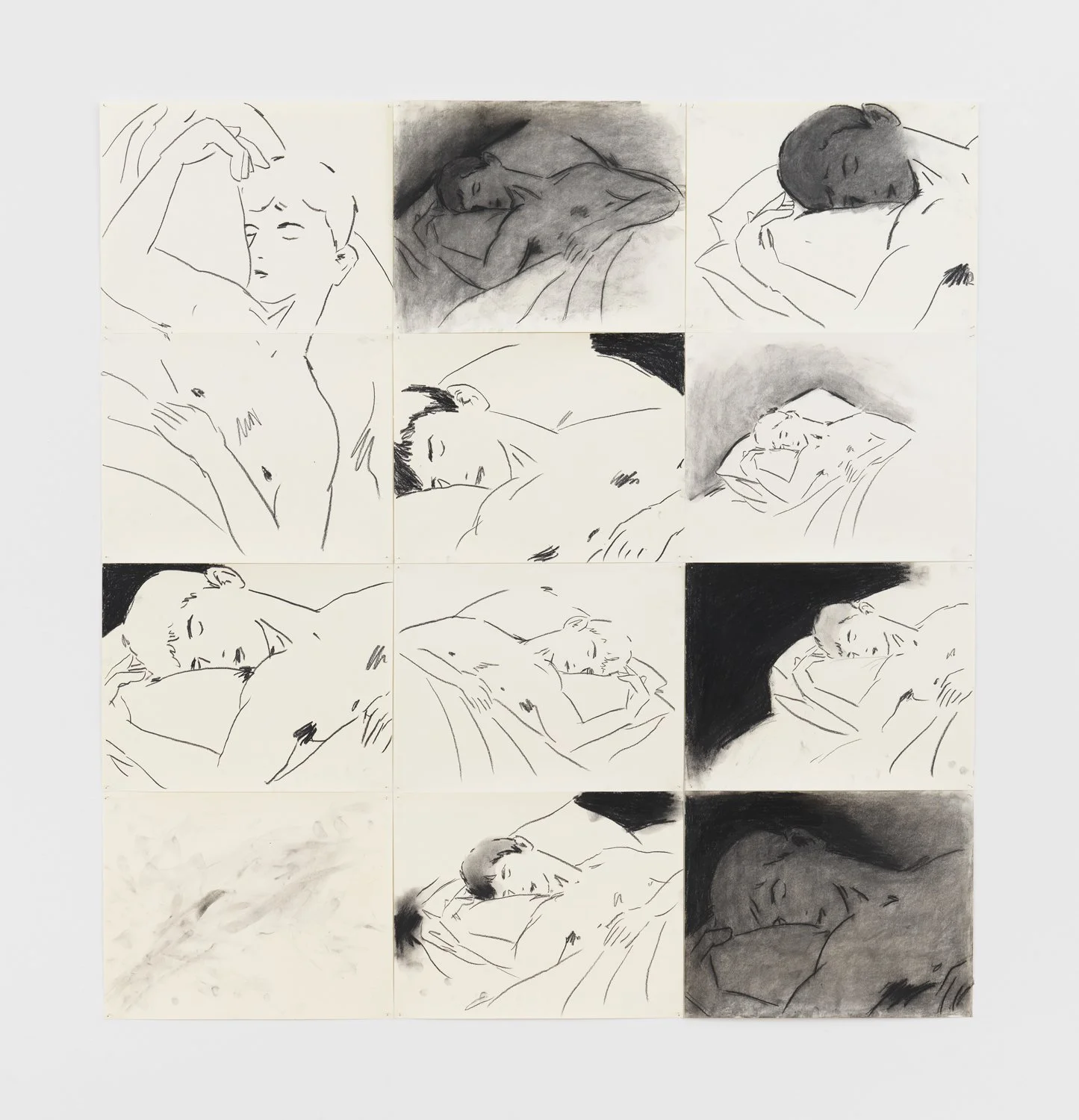
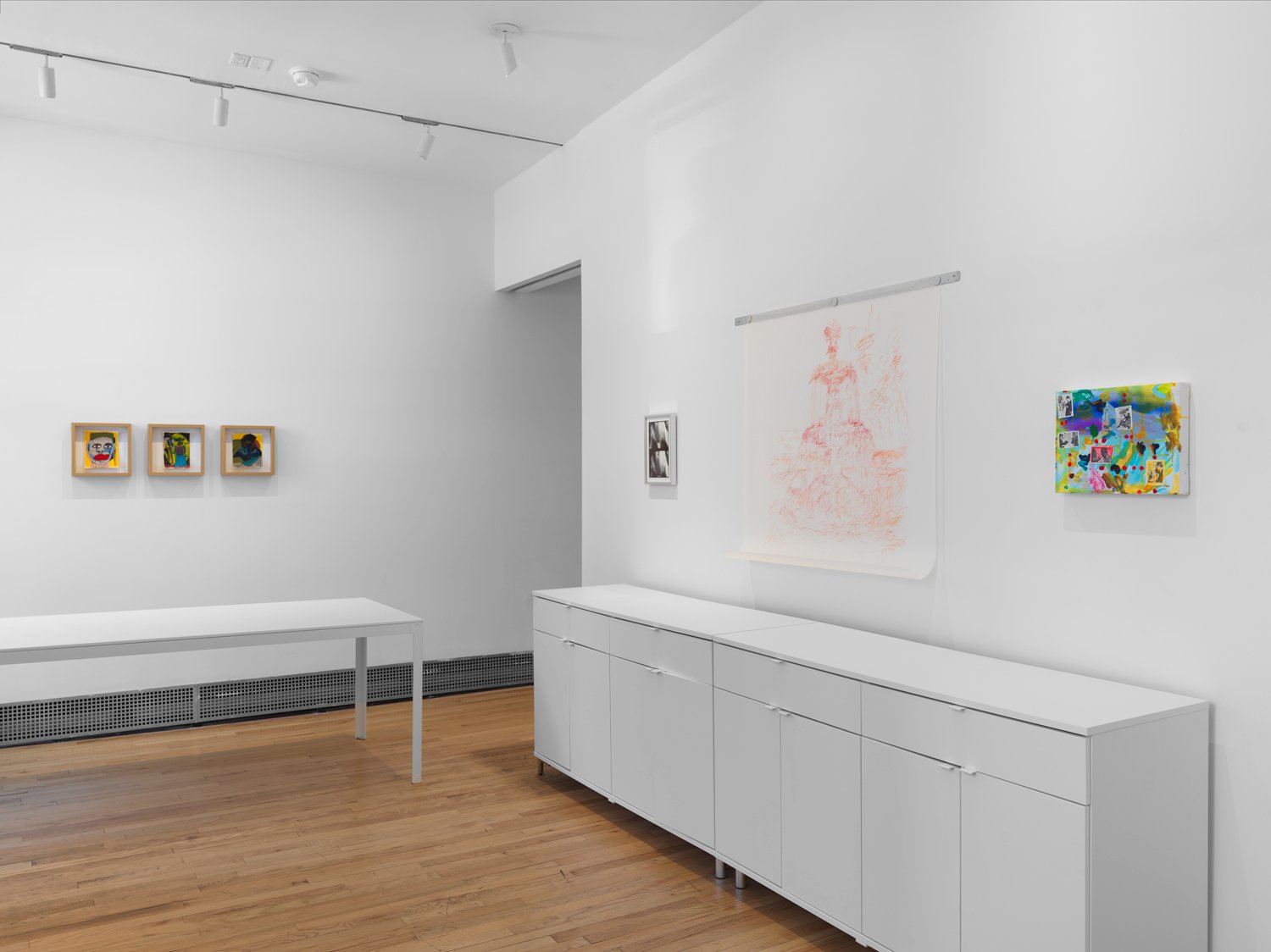
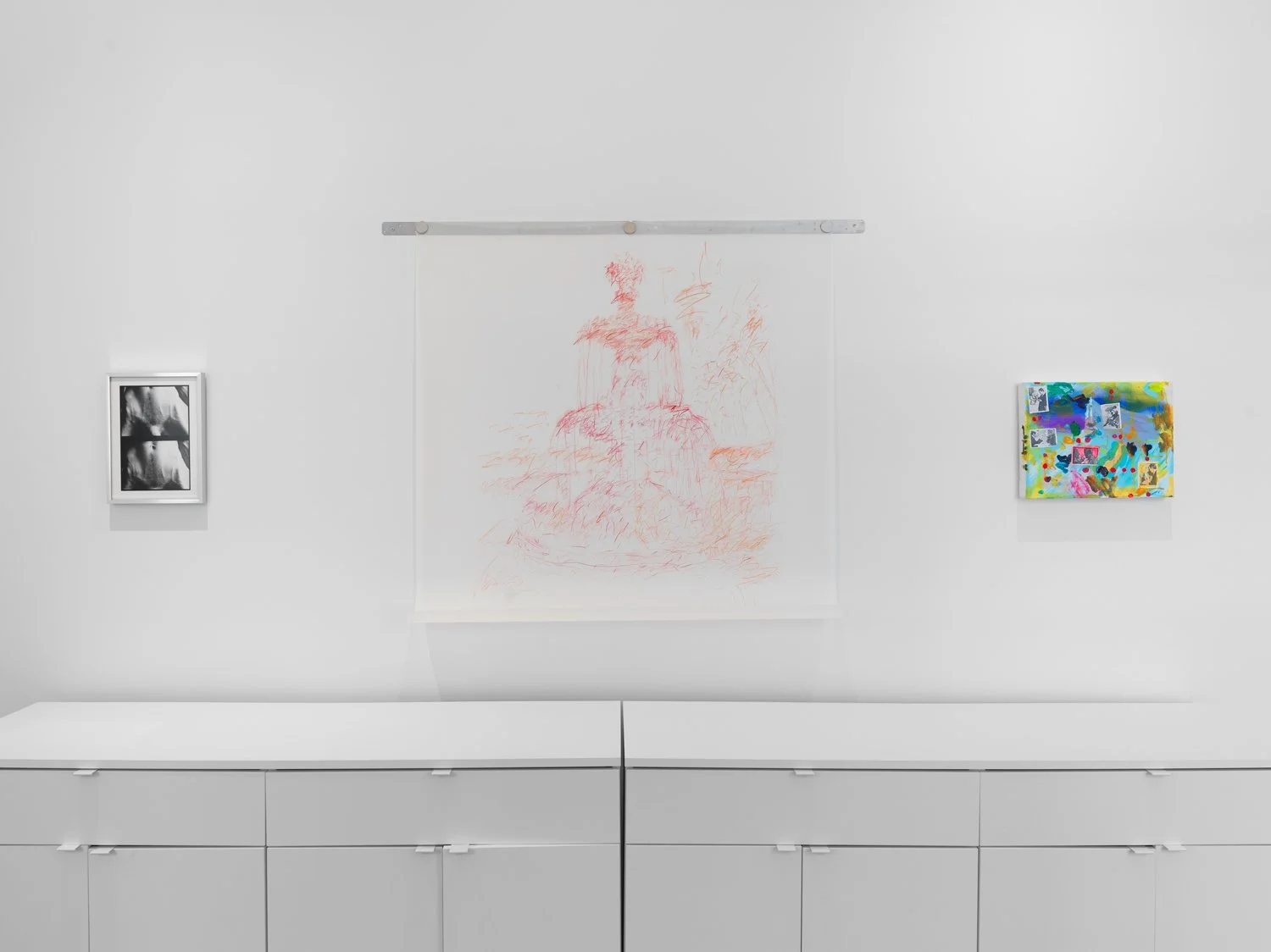
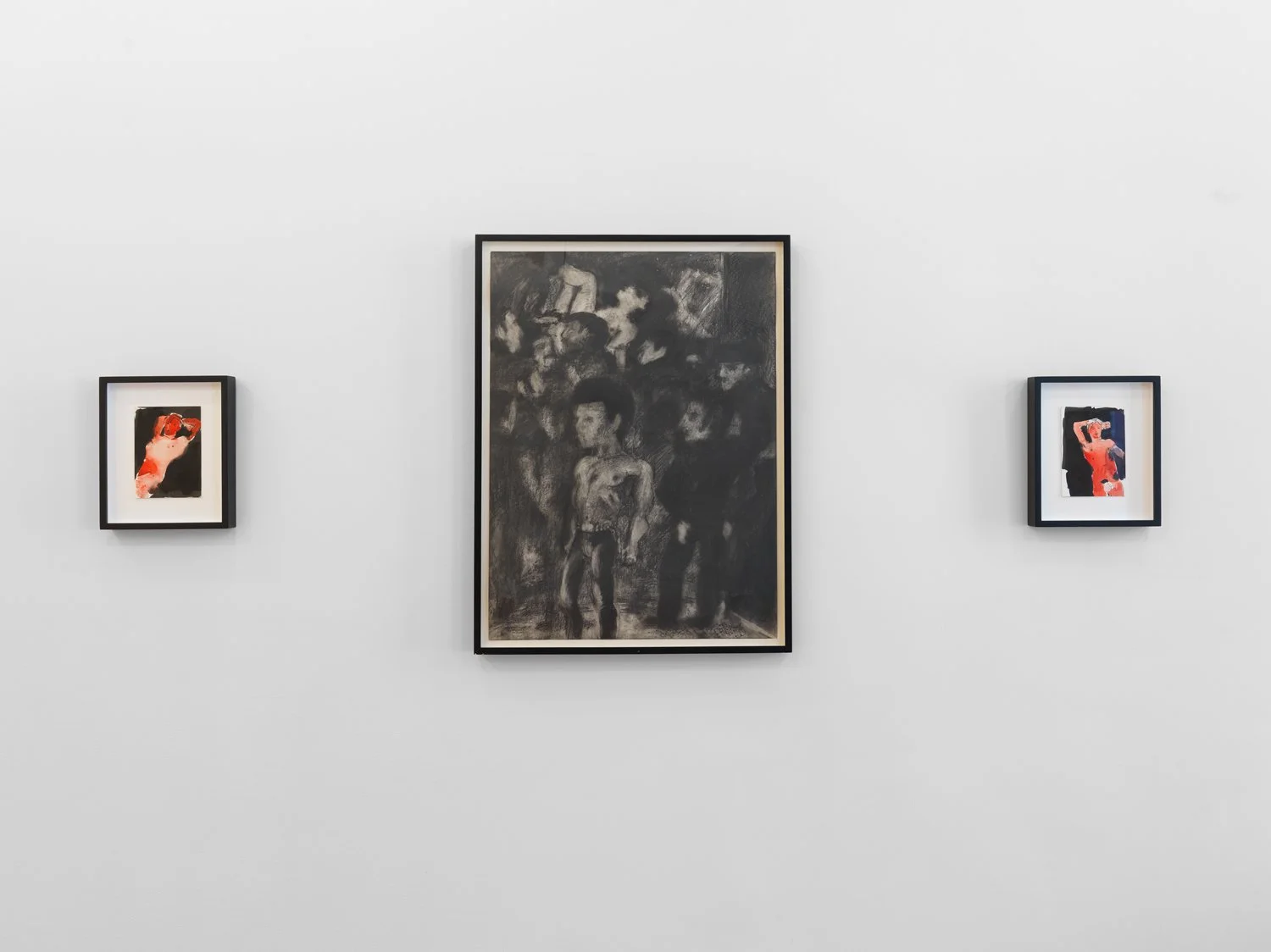
AVRAM FINKELSTEIN brings memory and evidence into political territory. His drawings are marked by fragile, frenetic lines. Go Away Don returns to a photograph of his late partner on a beach in Japan following his AIDS diagnosis; his reluctance to be photographed, fearing the image would reveal his growing frailty, makes it a haunting record of intimacy, illness, and disappearance. The People’s Fountain imagines an unrealized public intervention: dyeing Washington, D.C.’s fountains blood red in protest of the federal response to AIDS.
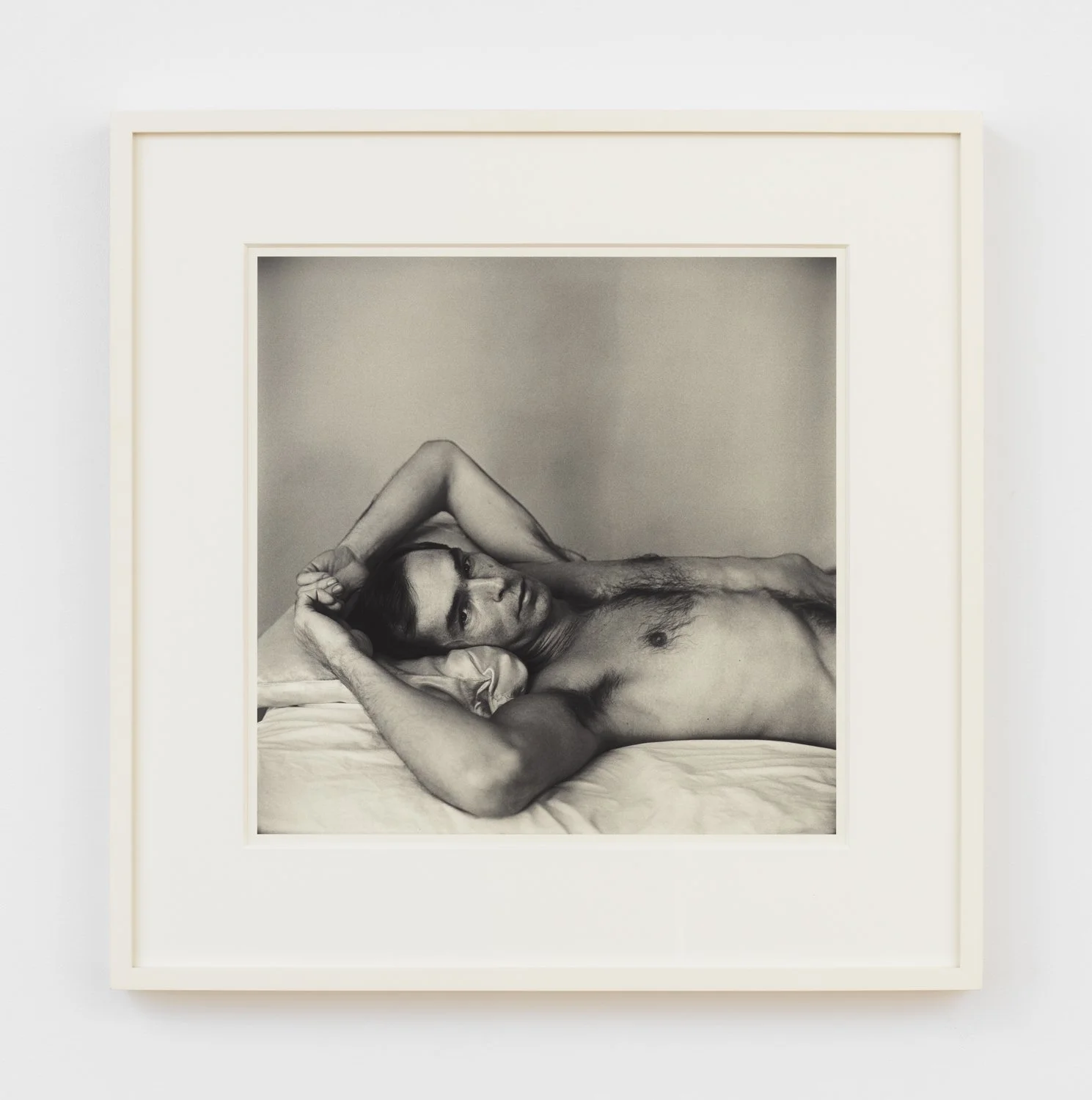
PETER HUJAR’S Self-Portrait Lying Down (1975) offers a historical point of reference. A defining photographer of downtown New York in the 1970s and early 1980s, Hujar photographed friends, lovers, artists, and the city with extraordinary intensity. He died of AIDS-related illness in 1987. Here, his self-portrait enters into dialogue with artists for whom queer history is continually encountered, reconstructed, and lived through.
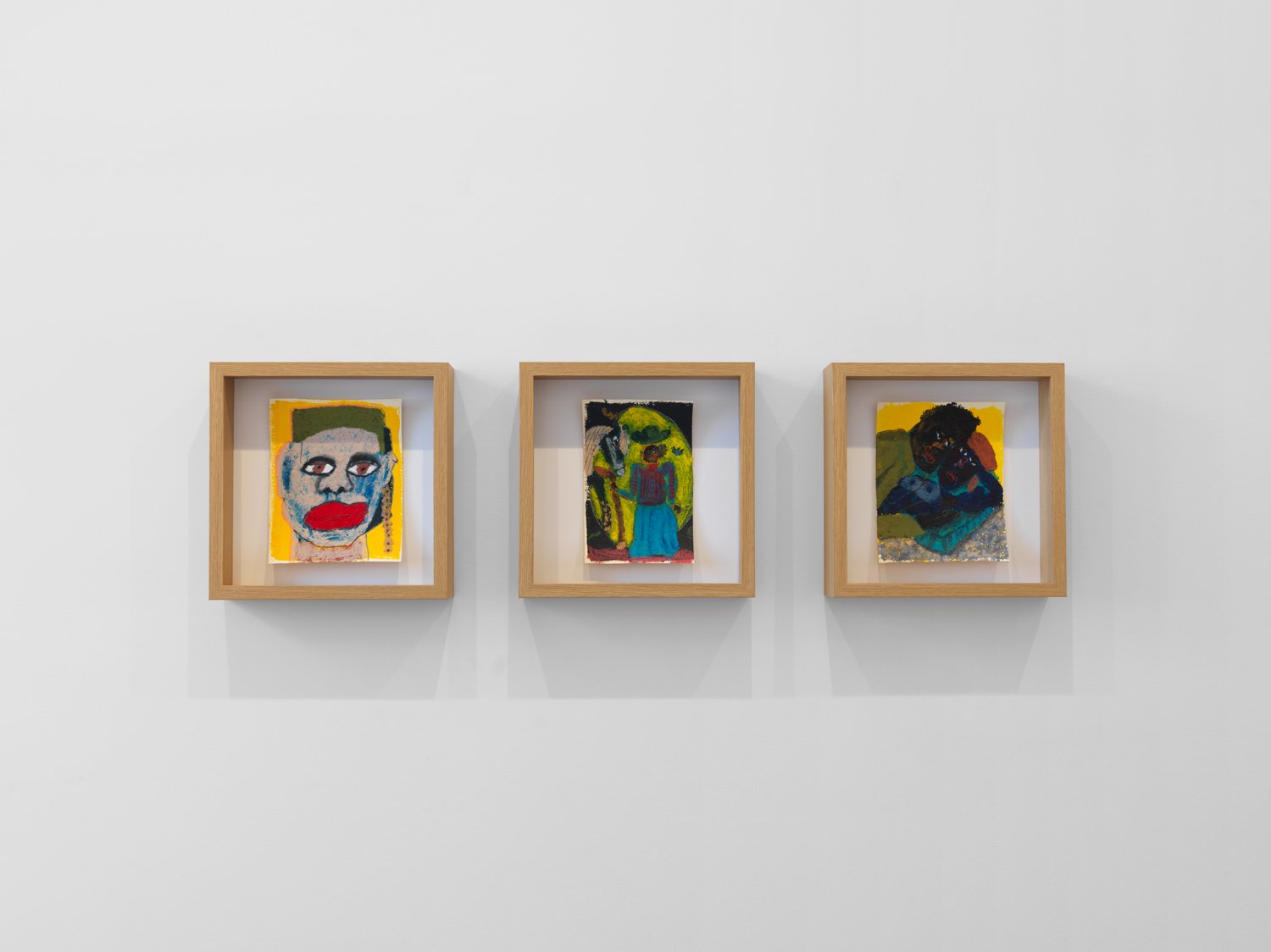
HEATHER LYNN JOHNSON’S intimate, mixed-media paintings extend that relationship between history and the contemporary body. Centering Blackness, lesbian visibility, and liberation, Johnson’s small-scale works hold moments of queer Black life with tenderness, desire, and immediacy.
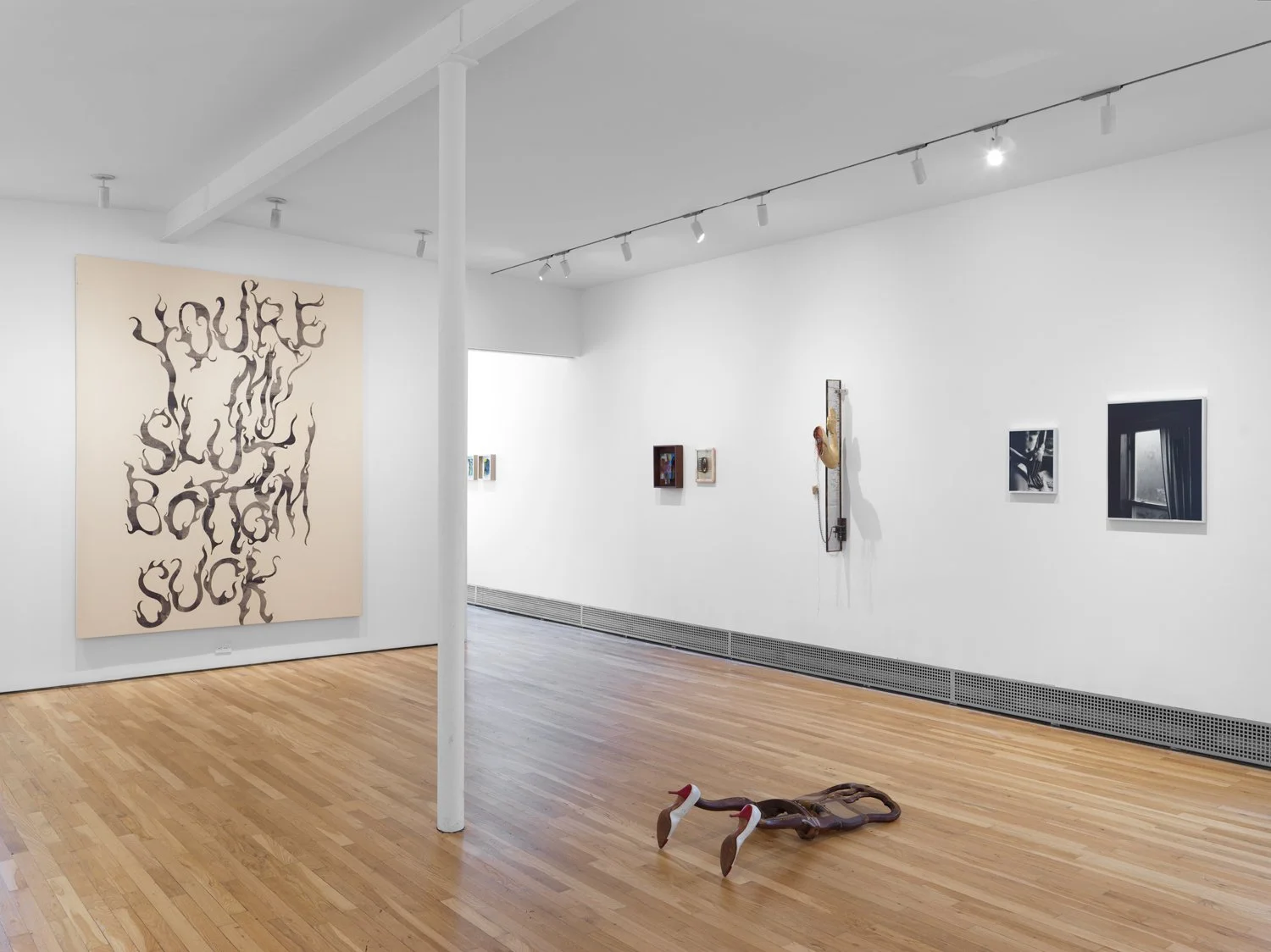
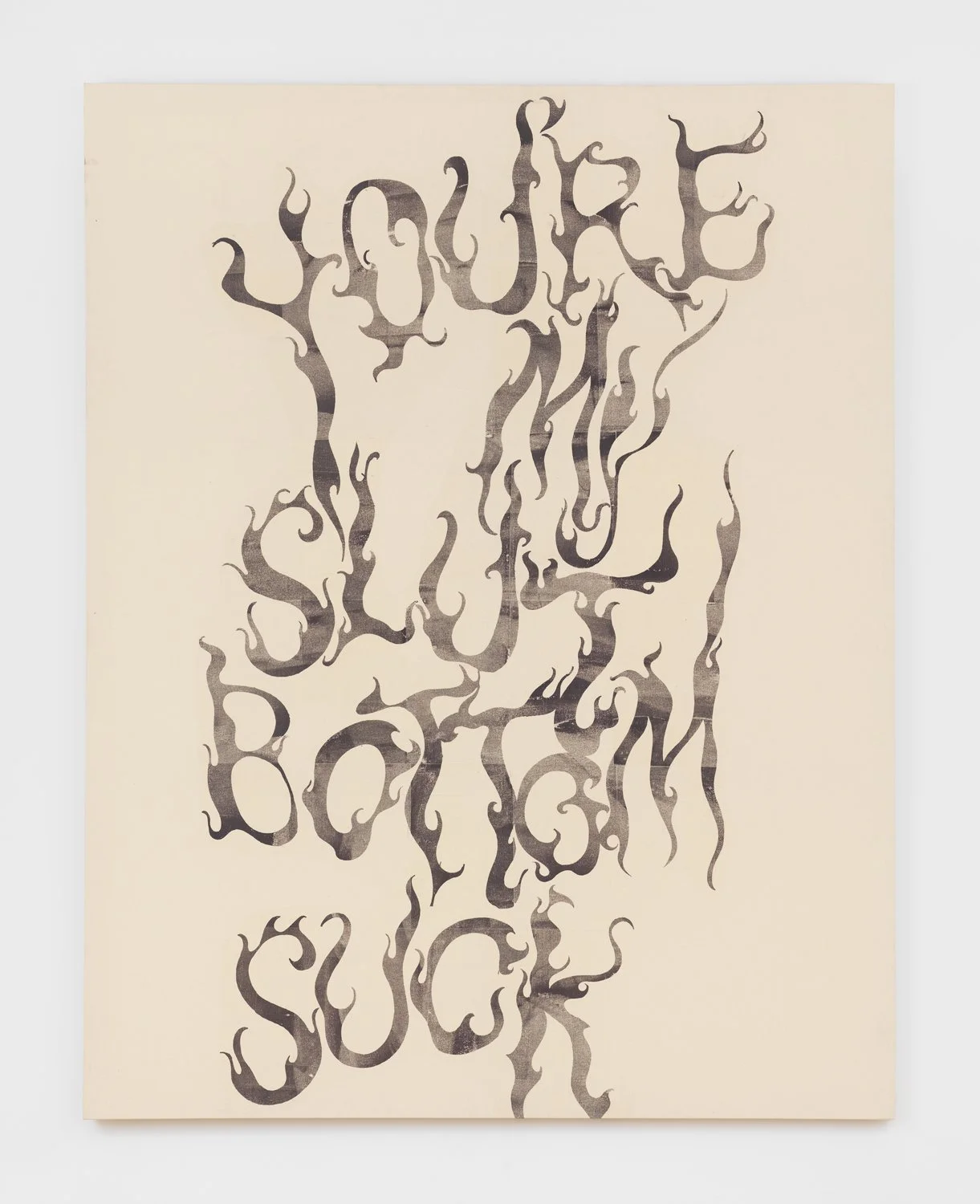
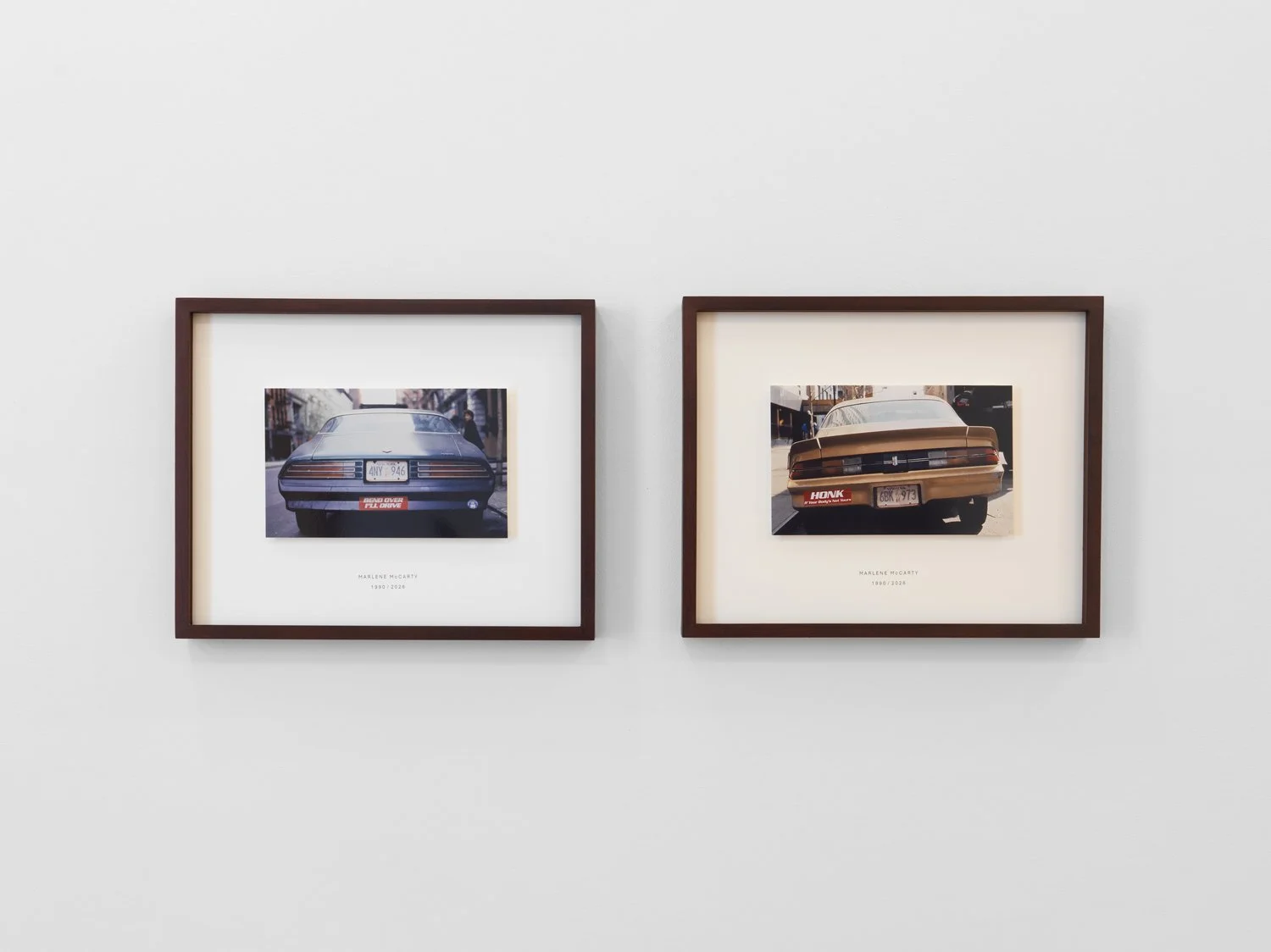
Language becomes material in the work of MARLENE MCCARTY. Her monumental YOU’RE MY SLUT BOTTOM SUCK (1993) was made by heat-transferring directly onto raw canvas with an iron. Its flaming typography recalls customized cars and tattoos, while the phrase shifts according to who speaks, who receives it, and when it is read. Nearby, Bend Over I’ll Drive and Honk If Your Body’s Not Yours—photographs of bumper stickers McCarty designed in 1990, newly printed in 2026—underscore language’s continued political prescience.
CHRISTOPHER GAMBINO builds sculptures from furniture, high heels, and objects sourced from auction sites, Craigslist, and the street. Queer and uncanny, the works suggest human presence through things that seem abandoned, invoking a femme body while complicating the relationship between viewer and object through performance, desire, and abjection.
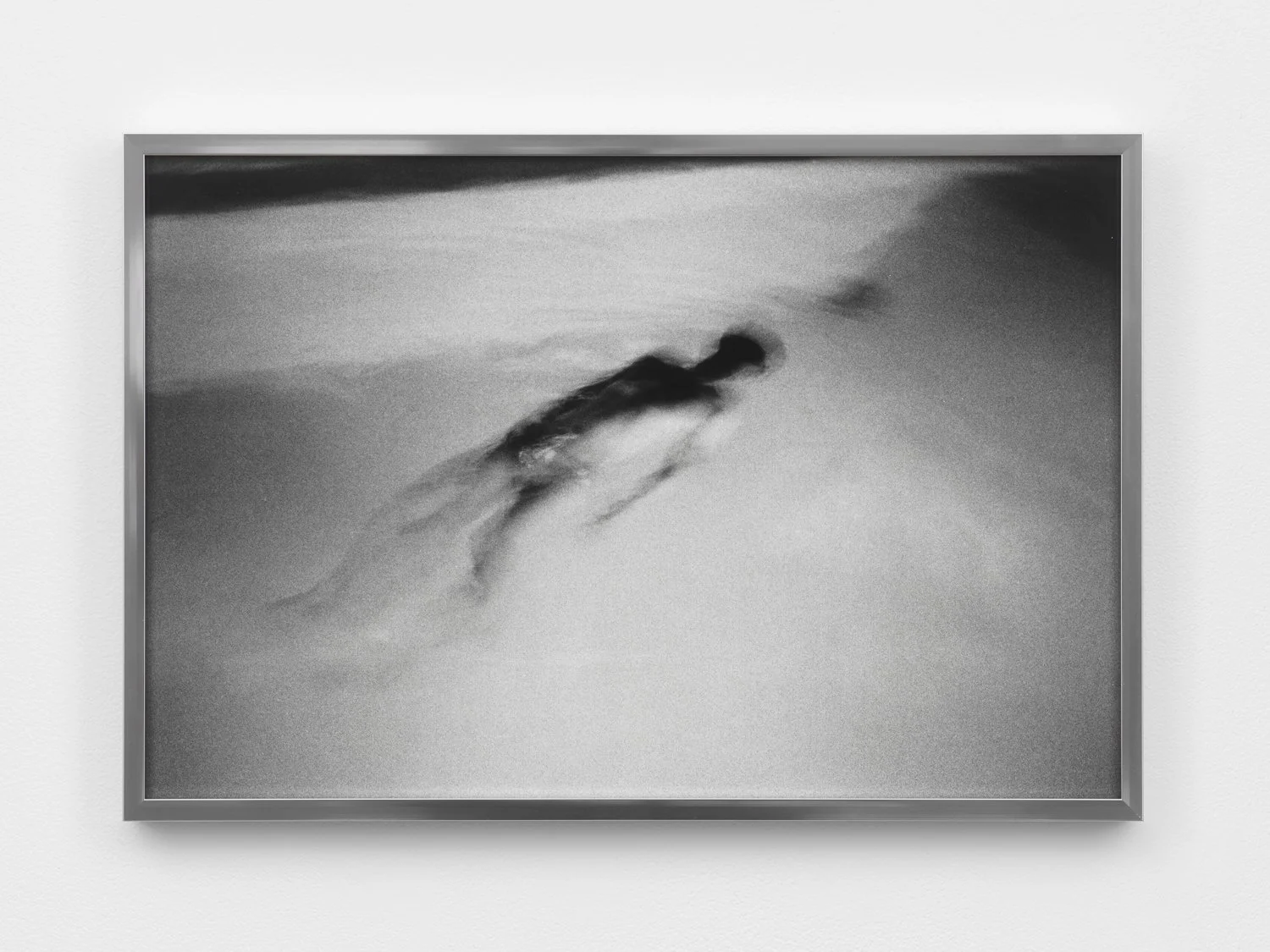
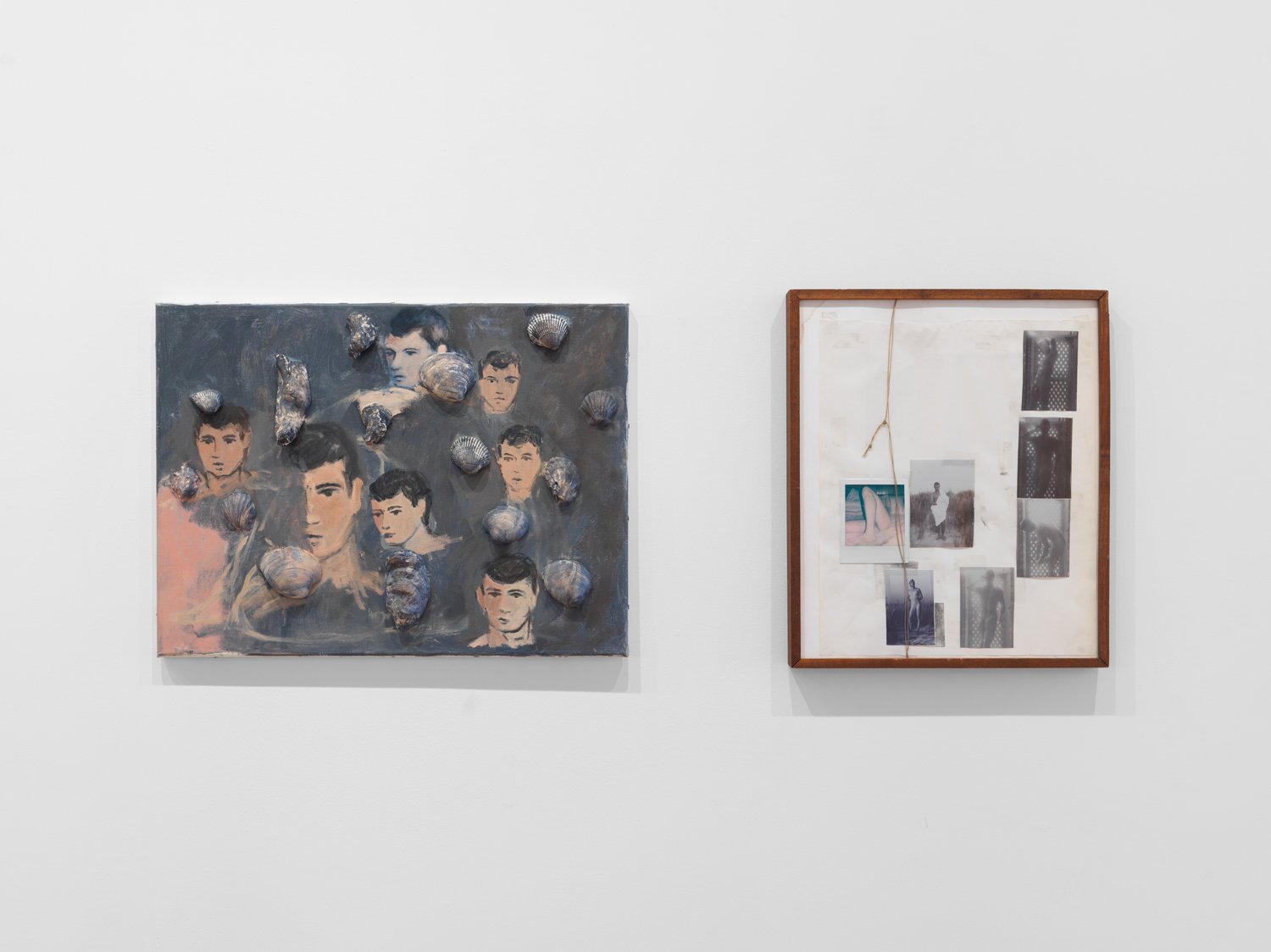
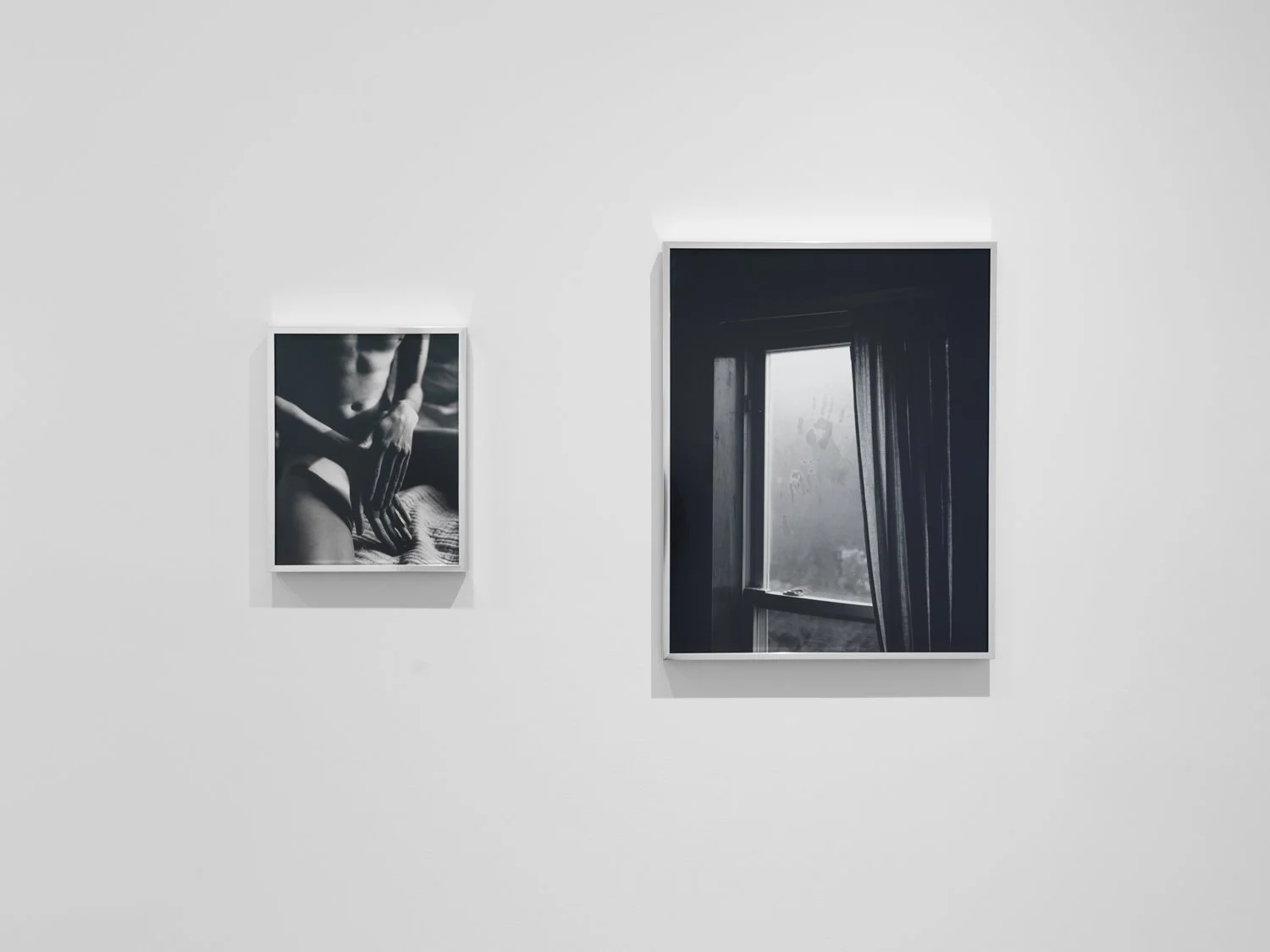
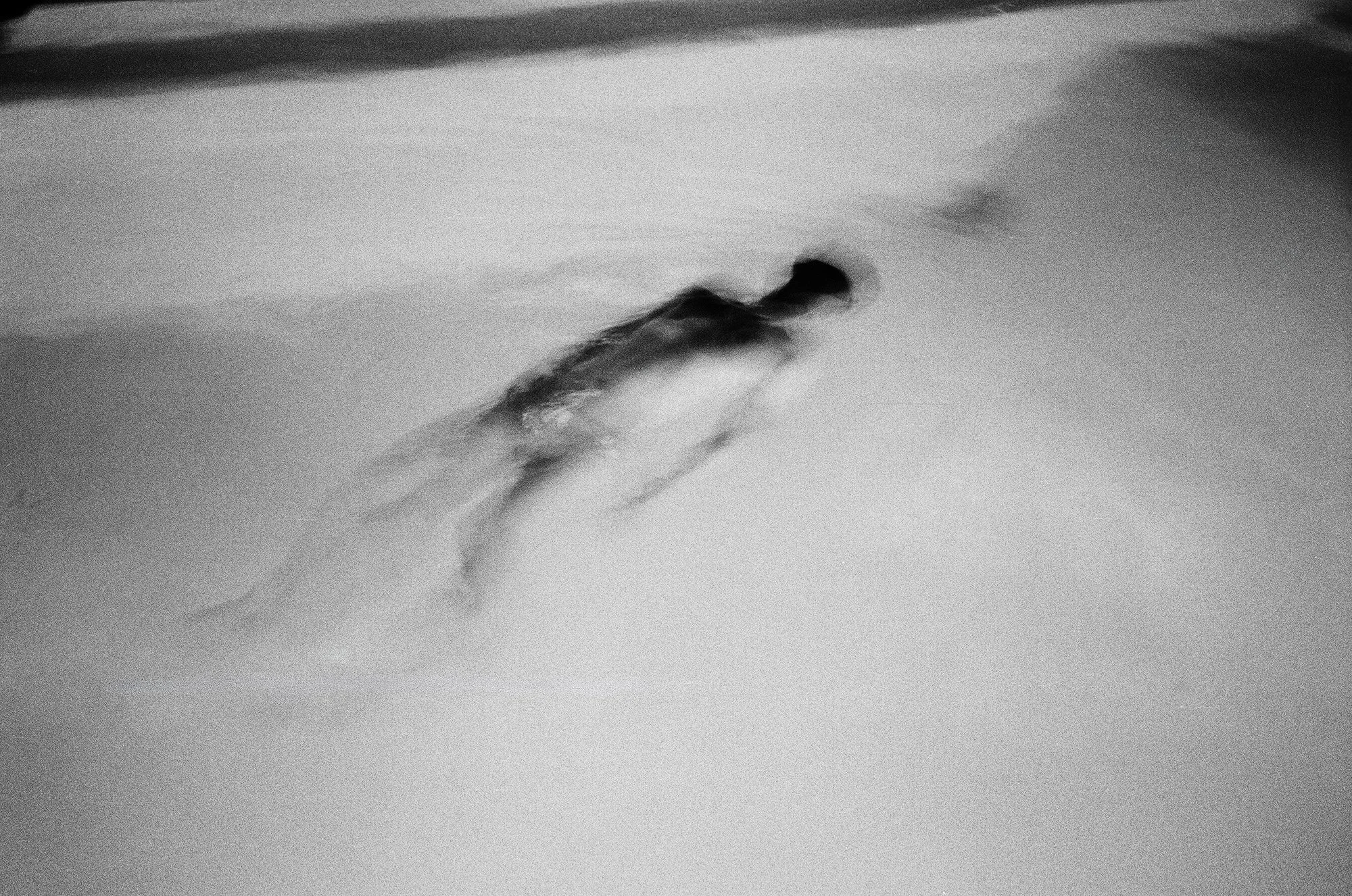
In DANIEL RAMPULLA’S intimate gelatin silver photographs, the body is approached obliquely. A night swim, a handprint lingering on a window: intimacy appears through fleeting gestures and residual evidence. Bodies dissolve into landscape, darkness, reflection, and touch, hovering between presence and absence.
THEW SMOAK is a painter of devotion and attachment. Working through bricolage, Smoak folds field notes, photographs, and collected materials into paintings that treat accumulation as a site of possibility. Like poetry, the works bring disjointed images into new relationships, with romance and longing becoming structuring forces and desire a means of survival.
The exhibition returns to downtown New York in the 1970s through JIMMY WRIGHT’S works on paper. After moving to the city in 1974, Wright drew from observation, participation, and memory within gay sex clubs, nightclubs, and bathhouses. Intimate and immediate, the works record communal and erotic life soon to be profoundly devastated by AIDS, which would transform both the queer community and New York’s cultural landscape.
Across these works, survival does not necessarily mean resolution. It can mean remembering, collecting, touching, recording, protesting, desiring, or making something from what remains. ALIVE AT THE END OF THE WORLD begins STOREY GALLERY’s program from this premise: that histories of rupture are never entirely past, and that art can hold both the evidence of what has been lost and the enduring fact of what continues. ALIVE AT THE END OF THE WORLD introduces the gallery’s program and gestures toward what is to come.
STOREY GALLERY is founded by Nathan Storey. Storey is an artist, curator, and gallerist based in New York. His research examines artists and cultural production emerging from the AIDS crisis, placing their work in dialogue with contemporary artists around queer history, liberation, and loss. Storey has a decade of experience working with galleries including Candice Madey, On Stellar Rays, Simon Preston, and Invisible-Exports, as well as the private art foundation SJ Weiler Fund. He was the founder of SUBLIMATION, an artist-run space in New York, and UNDERTOW, Colorado’s first queer print press. Storey is the curator of RUINS: PERFORMING QUEER HISTORY, an iterative exhibition project presented across the United States. He was a 2025 Queer|Art fellow.